Analysis
Portfolio Rebalancing — Rebalancing Explained: What It Does and What It Costs
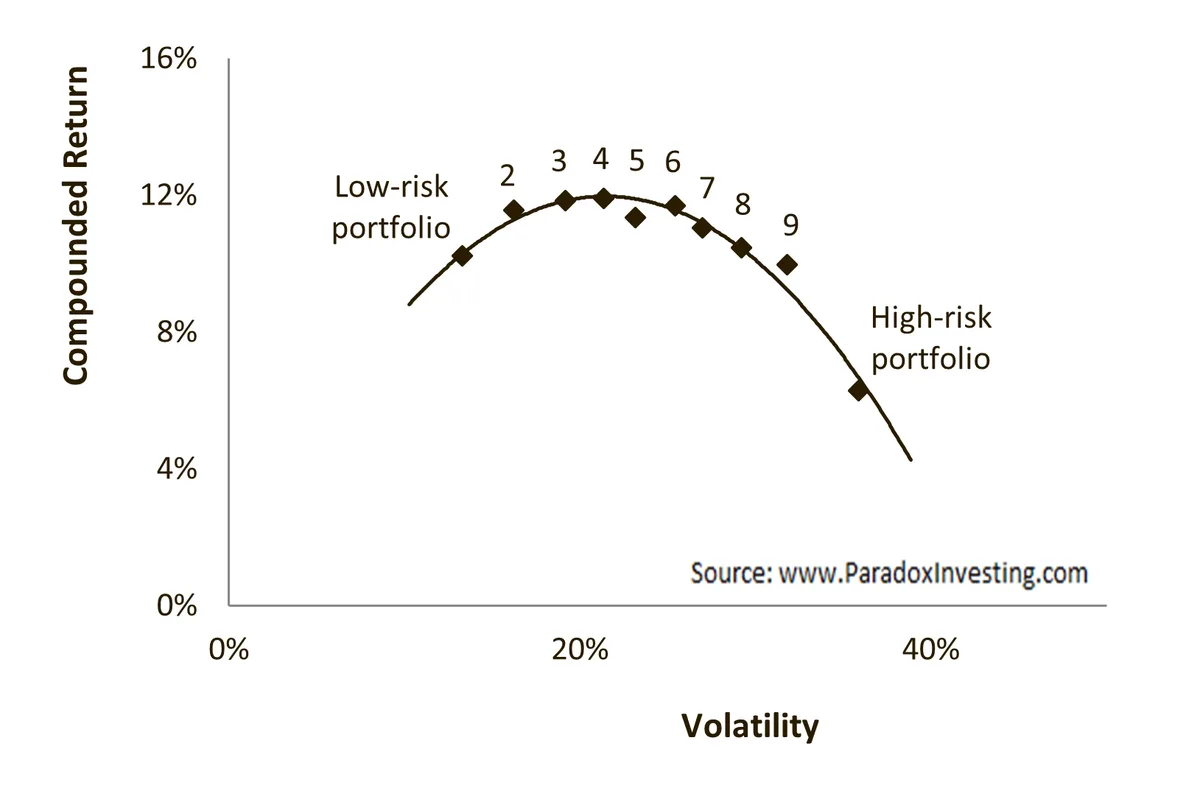
Rebalancing is risk control first: Vanguard’s 1926 through 2014 test puts the untended 50/50 portfolio at 13.2 percent volatility against 9.9 percent for the…
Analysis takes a single development and follows it through the production chain to whoever absorbs the cost. Tariffs, shortages, rate changes and regulatory shifts are traced from origin to margin to shelf price. Written for readers wanting the causal path documented rather than a conclusion simply asserted.
Extended pieces following one change, a tariff or a shortage or a rate move, from origin to the company margin and consumer price it reaches.
Rebalancing is risk control first: Vanguard’s 1926 through 2014 test puts the untended 50/50 portfolio at 13.2 percent volatility against 9.9 percent for the…

The SPIVA scorecards and ICI fee data agree on the long-run record: most active funds trail, and costs explain much of why. The exceptions are narrow.

Neither. The honest answer is that the two methods answer different questions, and each adds edge only in the narrow territory where its assumptions hold.

Three cases, one discipline: the method that forces an investor to price the outcome they expect and the two they don't.

More research feels like progress. Usually it is a delay with better paperwork.