
Analysis
Index Funds vs. Active Funds: The Honest Scorecard
The SPIVA scorecards and ICI fee data agree on the long-run record: most active funds trail, and costs explain much of why. The exceptions are narrow.
October 25, 2026
The SPIVA scorecards and ICI fee data agree on the long-run record: most active funds trail, and costs explain much of why. The exceptions are narrow.

The regional lender reports Thursday after the close, and its record against estimates — not its growth rate — is the number to watch.
Neither. The honest answer is that the two methods answer different questions, and each adds edge only in the narrow territory where its assumptions hold.

Three cases, one discipline: the method that forces an investor to price the outcome they expect and the two they don't.

More research feels like progress. Usually it is a delay with better paperwork.
The research process is less about finding winners and more about ruling out losers early.

Hard, soft, and everything in between: how raw materials get standardized, traded, and priced before they reach your receipt.

Contracts, leverage, and why the honest answer for most retail traders is watch first, trade later.

A seasonal checklist for reading the quarterly reporting rush without letting the tape read you.

Most calendar entries are appointments. A few are events. The skill is telling them apart before the open, not after.

The decision is the easy part. The wording around it is what moves money.
Headlines blame traders. The plumbing — market makers, algorithms and order flow — does most of the moving.

A shutdown should be arithmetic: fewer plants, lower costs, better margins. The tape often disagrees, and the disagreement has a logic worth reading.
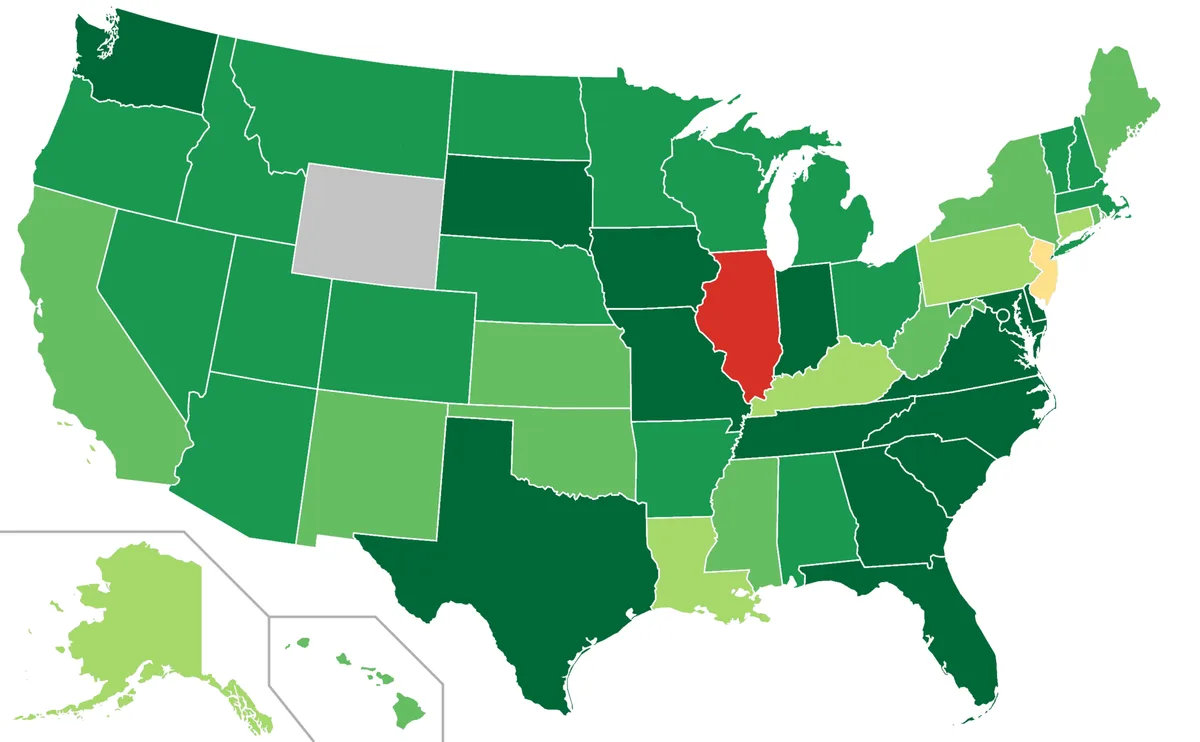
Most folklore about credit scores points at the wrong levers. The record of borrowing and repayment does most of the work.

The gap between corporate bond yields and Treasuries prices default fear in real time — and its widening has preceded most modern downturns.

The largest U.S. bank reported its biggest quarterly profit ever on July 14, powered by a 27 percent surge in investment banking revenue.

Entry turns on published numbers for size, float, liquidity and four straight quarters of GAAP profit, filtered through a committee that never previews its…

Ten companies now carry roughly two-fifths of the S&P 500, and the mechanics of passive investing transmit that weight directly into millions of portfolios.