
Professional stock analysis is a filtering exercise, not a treasure hunt. A professional starts with hundreds of candidates, applies broad screens to cut the list down, then spends most of the working time on a handful of filings. The goal at the start is not to find a winner. It is to kill bad ideas cheaply, before they cost anything more than an afternoon.
The process has a shape, the way a team shape has a shape. First the wide sweep, then the middle third where the real reading happens, then a final check of what could go wrong. Skip a phase and the whole structure sags. This piece walks through each phase, and it borrows a habit from coaching: watch the players away from the ball, not just the highlight.
What happens before the first buy button is even considered?
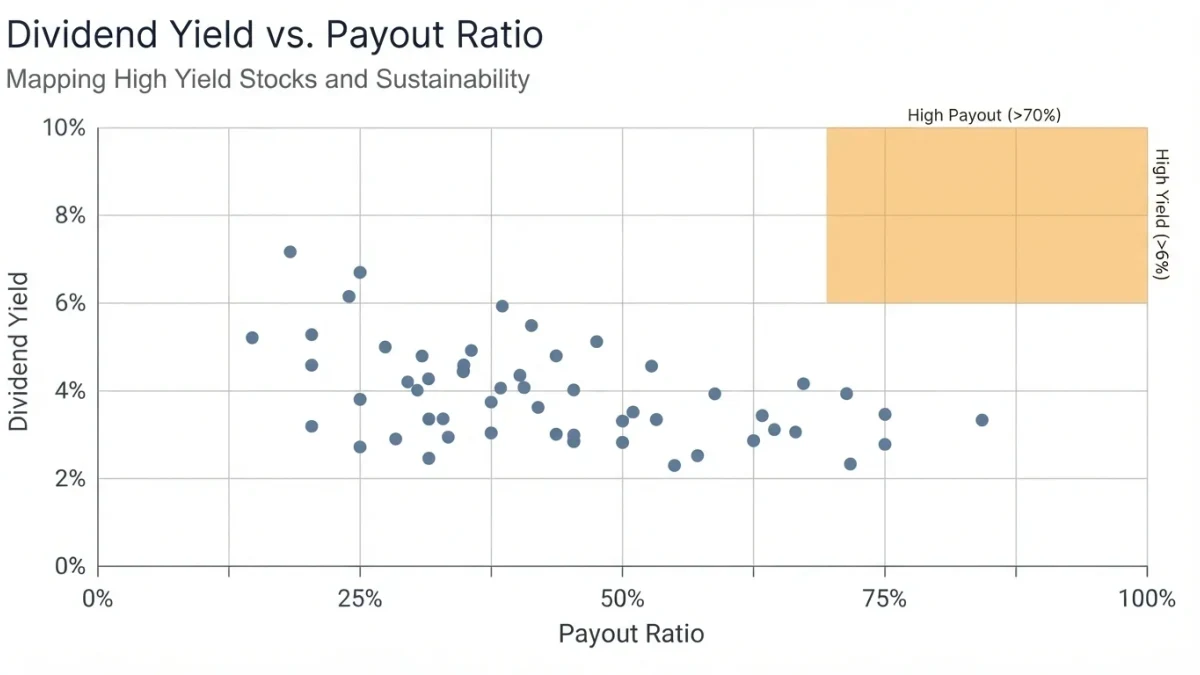
Screening. The universe is narrowed with mechanical filters: market size, sector, trading volume, debt levels, profitability. None of these filters identify a good company. They identify a company worth reading about. The screen is the scouting network, not the scout. Readers following this should also see What a Strong Dollar Actually Does to Emerging-Market Debt.
The filters are deliberately blunt. A screen might pass any company with a market value above a floor, positive operating cash flow, and debt that does not dwarf its earnings. What comes out is a shortlist, maybe twenty names from thousands. The expectation is to reject most of them. That expectation is the discipline.
Amateur investors often run this phase backwards. They hear about a company first and then look for reasons it fits. The order matters more than any single metric used.
What do the filings actually show?
This is the middle third, and it is where the work lives. The primary document is the annual report, filed with regulators, and the quarterly reports that update it. These can be read the way a coach reads match tape: not for the scoreline, but for what happened away from the ball.
A common reading order is income statement, balance sheet, cash flow statement, then the notes. The cash flow statement rewards close attention, because profits can be shaped by accounting choices while cash is harder to flatter. If reported profits rise for years while operating cash flow does not, that gap is the first question, not the last.
The notes to the accounts carry the detail a generic writer would skip. They show how revenue is recognized, what happens to pension obligations, which loans mature soon, and what the company itself flags as risk. Company statements are the company's own claims. They are evidence of what management says, not proof that it is true.
Comparison comes next. A margin means little on its own; it means a great deal next to the same figure at direct competitors, over several years. One strong year is weather. Several consistent years is climate.
How does a professional weigh the arguments for and against?
By writing both sides down. The habit of weighing pros against cons is old and unglamorous, and it survives because it works. As LanguageTool explains in its guide to the phrase, "pros and cons" means the arguments for and against something, from the Latin pro, for, and contra, against, and the exercise forces a pause before an impulsive choice.
That pause is the point. Build a written case for owning the stock and a written case against, then ask which case survived the reading honestly. If the bear case is thin, it usually means the reader stopped looking too early. Every stock has a real argument against it. If you cannot find it, you have not finished the research.
This is also where valuation enters. Compare what the business earns to what the market charges for it, using several measures rather than one. No single ratio settles anything. The question is whether the price already assumes everything good the research found. Often it does, and the honest answer is to walk away.
What could go wrong, and what would prove it?
Before any conviction forms, write down the specific things that would break the thesis. Not vague worries. Concrete, checkable events: a competitor's product launch, a contract renewal, a debt maturity date, a regulatory decision. Each one gets a date or a filing it would show up in.
This step does two jobs. First, it converts a vague hope into a testable claim. Second, it tells the holder in advance what evidence would change their mind, which makes it far harder to move the goalposts later. The investor who cannot name what would prove them wrong does not hold a view. They hold a mascot.
Position thinking follows. Even a well-researched idea can be wrong, so the question of how much to commit matters as much as the idea itself. Sizing is best treated as a separate decision from selection, and the possibility of loss as a permanent feature of the market rather than an accident.
What separates conviction from a hunch?
Documentation and patience. State, in a few sentences, what the company does, why it earns its returns, what the price assumes, and what would falsify the thesis. If any of those four answers takes more than a breath to find in the notes, the research is not done.
Our analysis of this process is that its value lies in the rejections. The screening, the filing reading, the written bear case: most of the output is a list of ideas declined. That is unglamorous, and it is the whole job. The highlight-reel version of investing, the big call and the quick win, is the part the tape does not support.
There is also a time element. Research ages. A thesis built on last year's margins needs checking when the next report lands. Reviews are best diarised rather than left to the market to remind, and some theses should be expected to fail the re-check. That is the process working, not failing.
Where does this leave the individual investor?
The process scales down honestly. An individual cannot match a professional's data access, but the sequence costs nothing: screen broadly, read the primary documents rather than summaries of them, write both sides of the argument, name what would prove you wrong, and size the position for the possibility of being wrong anyway. This connects to our earlier piece, Data Centers Now Drive 40% Of PJM's Record Capacity Costs.
What does not scale down is the shortcut of skipping to conviction. The edge described here is not a secret metric. It is the willingness to spend hours ruling out ideas that looked fine at first glance. Anyone can copy that. Given the choice between an afternoon of filings and a tip, the process says take the filings.
Markets carry risk, and no research process removes it. It narrows the odds of a preventable mistake, which is a smaller promise, and a more honest one.