
Topic
How Interest Rate News Travels From the Fed to Your Wallet
Central bank decisions do not touch your accounts directly. They move a chain of reference rates, and each link in that chain behaves differently.
Central bank decisions do not touch your accounts directly. They move a chain of reference rates, and each link in that chain behaves differently.

The headline numbers are written for you. The five lines below them are written about you — and they reward a skimmer who knows where to look.
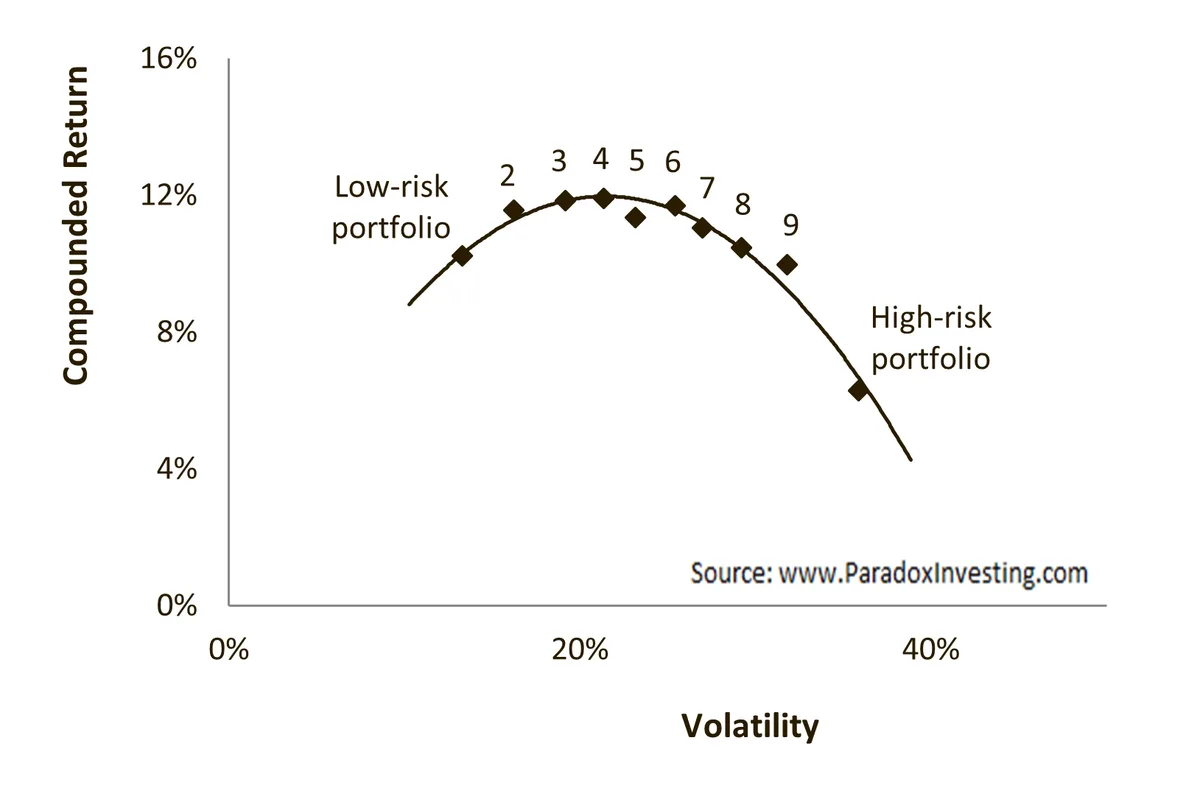
Rebalancing is risk control first: Vanguard’s 1926 through 2014 test puts the untended 50/50 portfolio at 13.2 percent volatility against 9.9 percent for the rebalanced twin, with trade costs, not schedules, deciding the rest.

Energy, metals and crops trade in the same markets but answer to different clocks, different drivers and different risks.

Neither. The honest answer is that the two methods answer different questions, and each adds edge only in the narrow territory where its assumptions hold.

The regional lender reports Thursday after the close, and its record against estimates — not its growth rate — is the number to watch.

A shutdown should be arithmetic: fewer plants, lower costs, better margins. The tape often disagrees, and the disagreement has a logic worth reading.

The decision is the easy part. The wording around it is what moves money.

Hard, soft, and everything in between: how raw materials get standardized, traded, and priced before they reach your receipt.
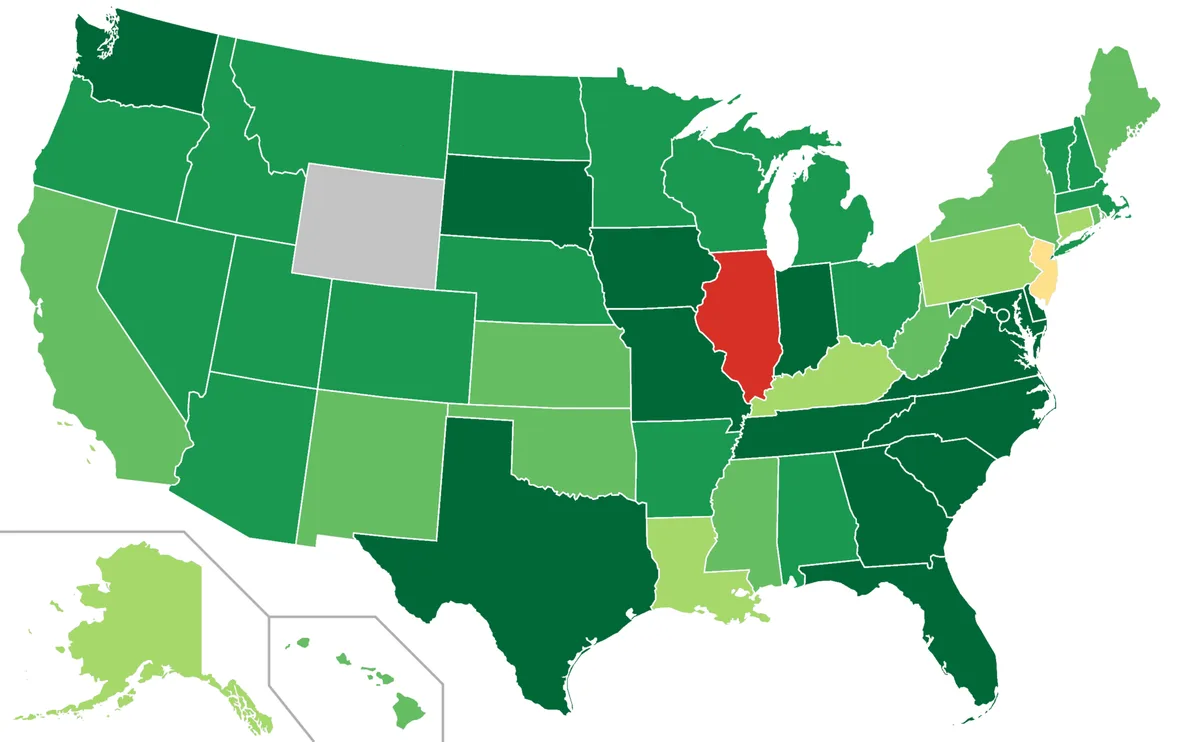
Most folklore about credit scores points at the wrong levers. The record of borrowing and repayment does most of the work.