A commodities etf is a wrapper, and the wrapper decides what a shareholder actually owns. Two funds with commodity tickers can hold entirely different things: one holds bullion in a vault, the other holds futures contracts on an exchange. United States Oil Fund's prospectus, filed with the SEC in April 2026, lists total annual fund operating expenses of 0.86 percent, a cost that accrues no matter which way oil trades. Neither wrapper hands a shareholder a perfect claim on spot prices, and the gap is built into the structure.
That gap starts upstream, before any fund is involved. The route a barrel takes from wellhead to buyer, and who brokers it, is mapped in this breakdown of the oil commodity chain. Funds sit at the end of that chain, and they inherit its physics rather than escape them.
For readers tracking the wider tape, the commodities section follows how energy, metals and crops trade as one system. Here the question is narrower: what the paperwork says the ticker owns.
What Does a Physically Backed Trust Actually Hold?
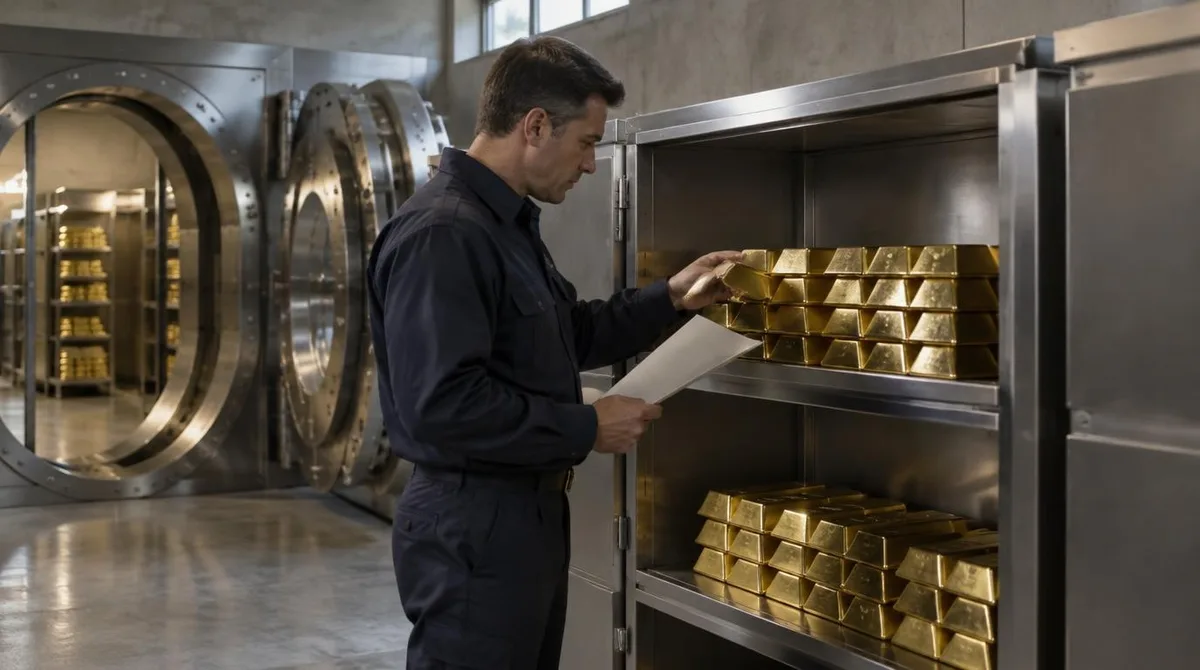
Metal in a vault, minus a daily fee. The prospectus for SPDR Gold Shares states that the trust holds gold bars and issues baskets in exchange for deposits of gold, with an objective for shares to reflect the price of bullion less the trust's expenses. Its only recurring fixed expense is the sponsor's fee, which accrues daily at an annual rate of 0.40 percent of net asset value.
The mechanics stay dull by design. The same filing notes that the trust is not actively managed and makes no trades to cushion swings in the gold price. It also sells metal as expenses come due, regardless of the price that day. Ownership is direct; the arithmetic of cost runs against the holder quietly and daily. We covered a connected angle in Commodity Market: Gold, Oil, or Grain? How the Big Commodity Sectors Actually Behave.
Why Do Futures-Based Funds Roll Contracts Every Month?
Because futures expire, and the fund does not want delivery. USO's filing describes the fund as a commodity pool traded on NYSE Arca, managed by United States Commodity Funds LLC, a firm registered as a commodity pool operator with the CFTC. The stated objective is for daily percentage changes in net asset value to track a specified short-term crude oil futures contract, plus collateral interest, less expenses.
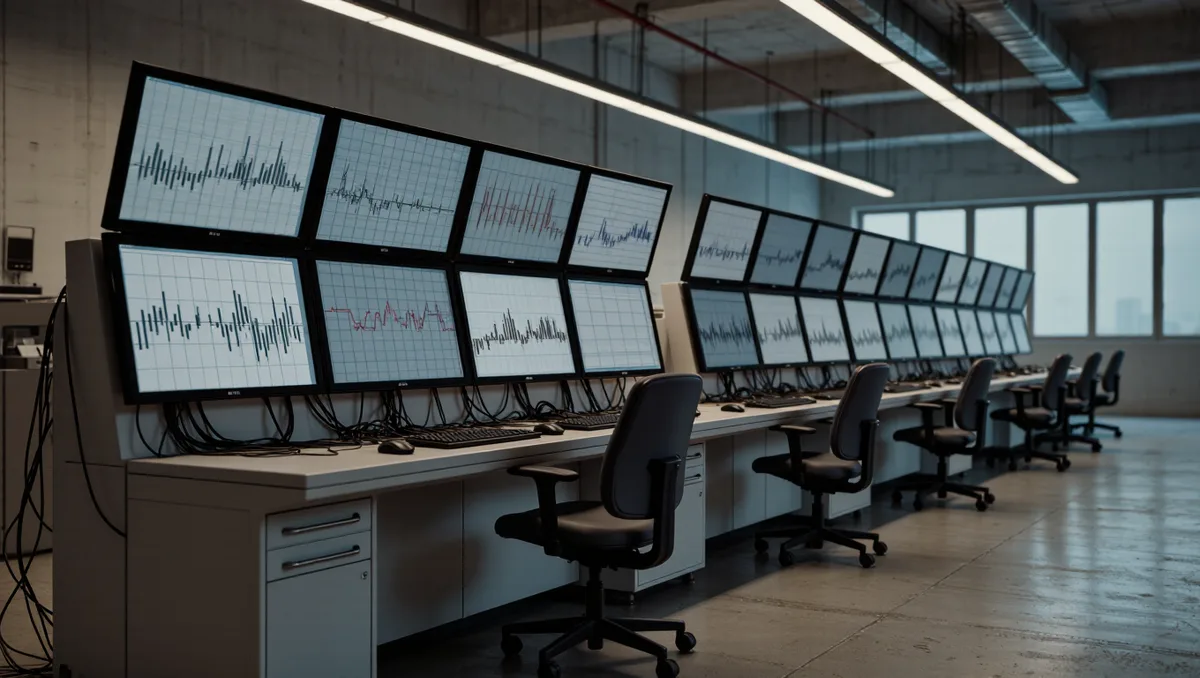
The roll is where the wrapper shows its seams. Per the prospectus, the change from the near-month contract to the next-month contract comes at the beginning of each month, spread over a five-day roll period. A futures fund thus holds a rolling claim on paper barrels. The spot market moves, and the fund follows the contract, not the barrel.
Where Does the Tracking Difference Come From?
From named, disclosed line items. USO's fee table shows management fees of 0.45 percent and total annual fund operating expenses of 0.86 percent, with other-expense figures drawn from the year ended December 31, 2025. The same filing carries a plain warning: the fund may not earn trading gains sufficient to cover the fees it must pay, and so may earn no profit at all.
The physical wrapper runs leaner arithmetic but is not free. GLD's 0.40 percent sponsor fee covers custody and administration, yet expenses are still paid in metal sold at whatever price prevails. Futures wrappers add roll economics to the bill. Same commodity, different subtraction, and the subtraction shows up in results.
Conclusion: The Wrapper Is the Product
Read the objective line before the ticker, because the wrapper is what gets bought. A vault claim and a futures roll can sit under similar names, and the SEC filings say plainly which is which. Tracking difference is not a mystery; it is the sum of fees, collateral interest and roll mechanics, each disclosed in advance.
The honest scorecard for commodity wrappers is therefore boring and useful at once. Physical trusts own the metal and skim a fee; futures pools own contracts and skim a larger one. Neither restores spot prices to the shareholder. The filings document all of it, in language any reader can check.