
Topic
Investment Banking Industry Trends: What Is Actually Reshaping Deal Flow?
Fee pressure, private capital and automation are changing how deals get made — and how banks get paid.
Fee pressure, private capital and automation are changing how deals get made — and how banks get paid.
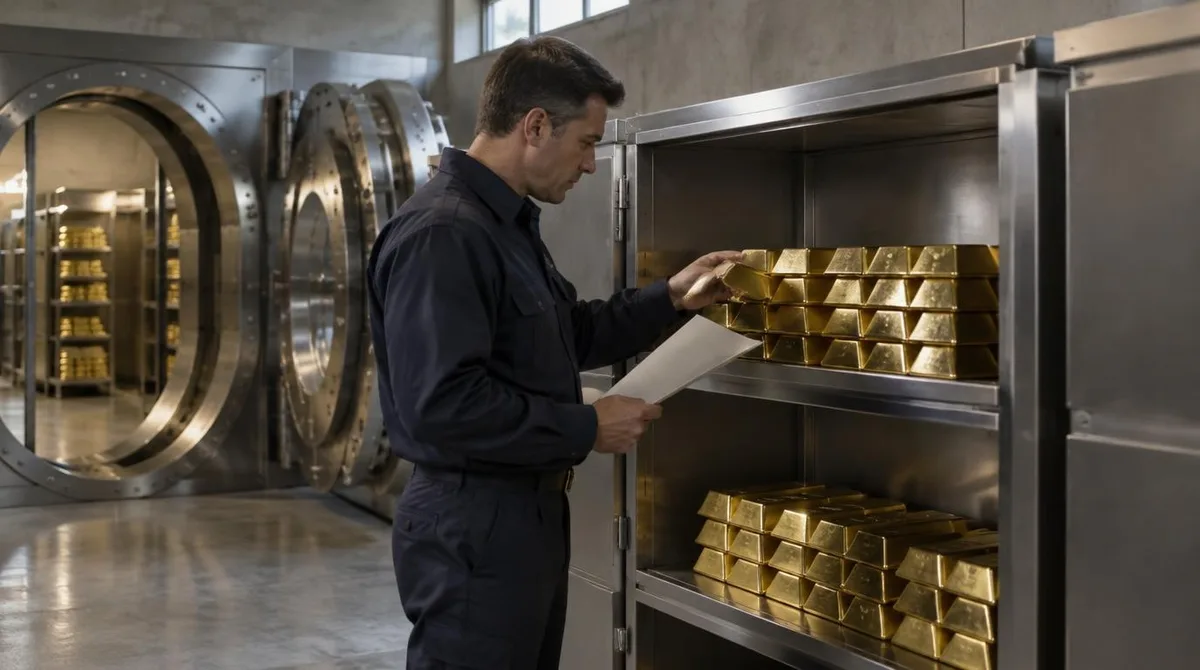
Two commodity wrappers hold different things: SPDR Gold Shares owns bullion bars, while United States Oil Fund owns futures contracts. The prospectus objective lines explain the tracking arithmetic.

Energy, metals and crops trade in the same markets but answer to different clocks, different drivers and different risks.

Neither. The honest answer is that the two methods answer different questions, and each adds edge only in the narrow territory where its assumptions hold.

The regional lender reports Thursday after the close, and its record against estimates — not its growth rate — is the number to watch.

A shutdown should be arithmetic: fewer plants, lower costs, better margins. The tape often disagrees, and the disagreement has a logic worth reading.
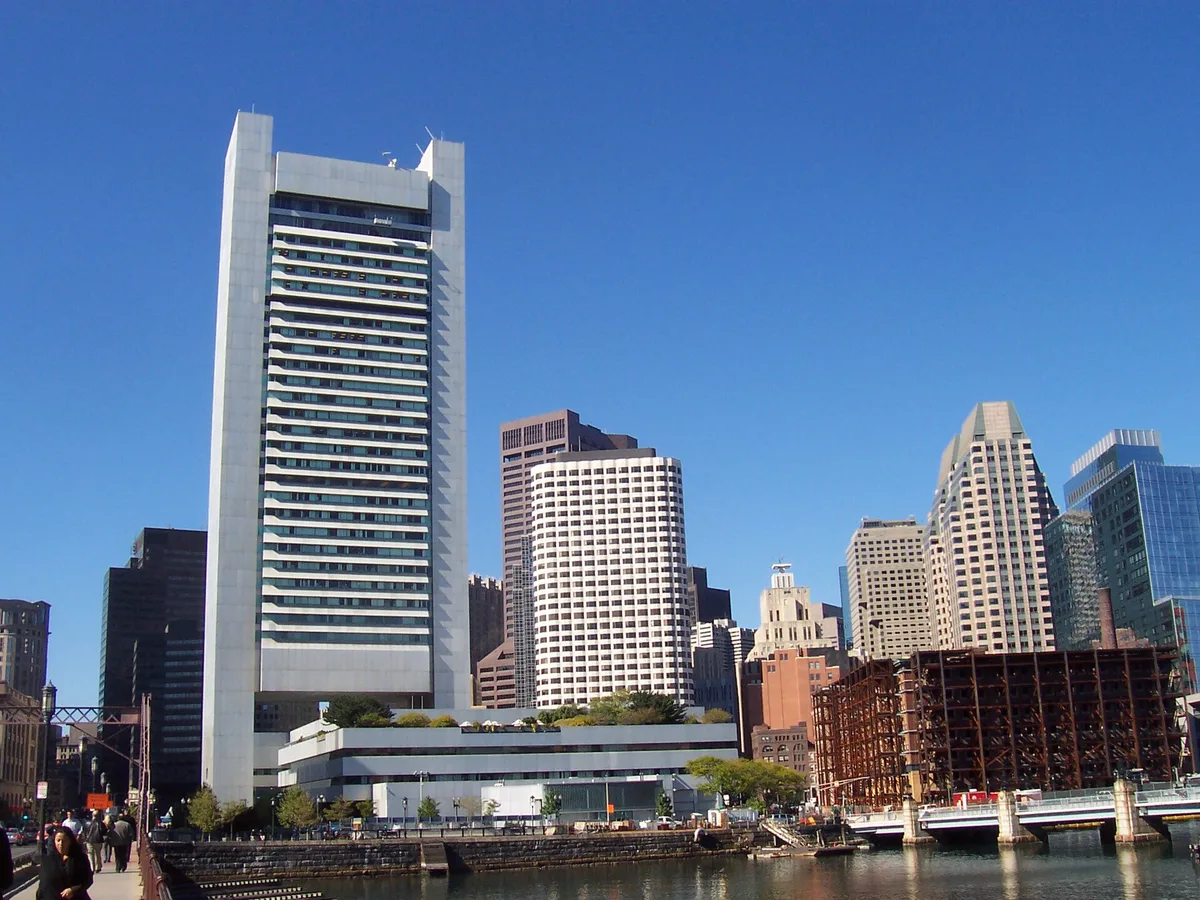
The decision is the easy part. The wording around it is what moves money.
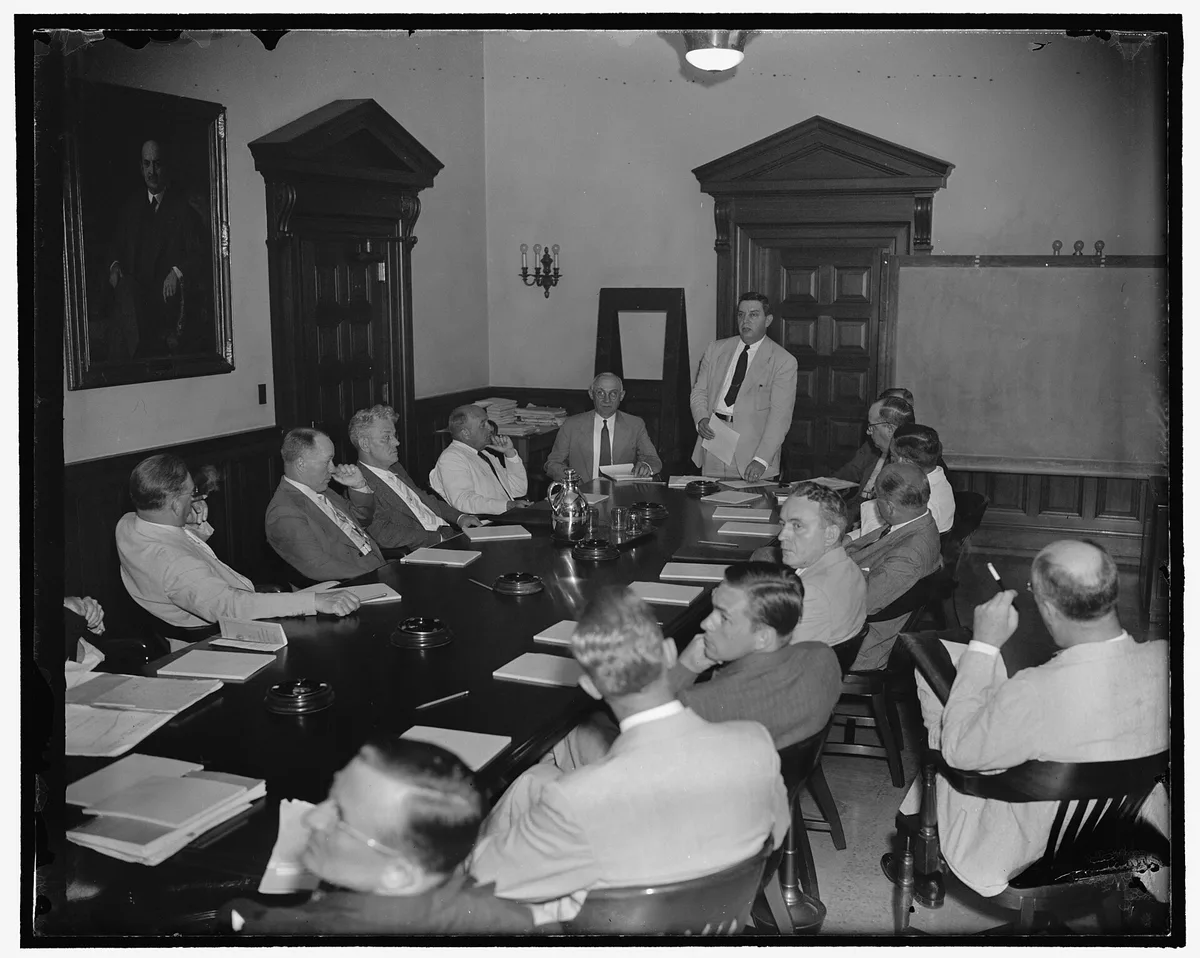
Hard, soft, and everything in between: how raw materials get standardized, traded, and priced before they reach your receipt.
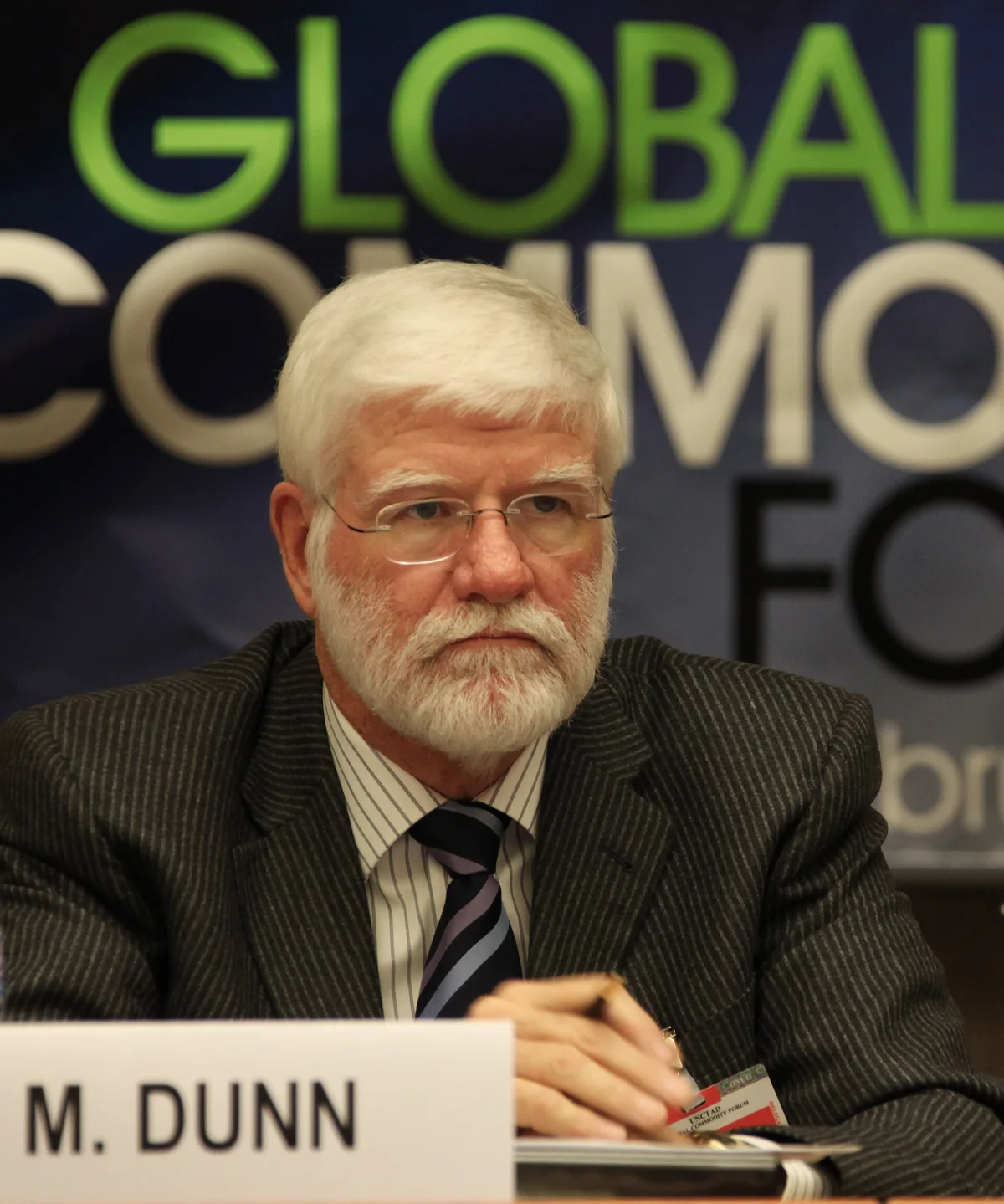
Contracts, leverage, and why the honest answer for most retail traders is watch first, trade later.
Headlines blame traders. The plumbing — market makers, algorithms and order flow — does most of the moving.