
Topic
Energy Market Analysis: Key Indicators Shaping the Sector
What actually moves energy prices, and why the physical facts behind the fuel matter more than the headlines.
What actually moves energy prices, and why the physical facts behind the fuel matter more than the headlines.

Two commodity wrappers hold different things: SPDR Gold Shares owns bullion bars, while United States Oil Fund owns futures contracts. The prospectus objective lines explain the tracking arithmetic.

Central bank decisions do not touch your accounts directly. They move a chain of reference rates, and each link in that chain behaves differently.
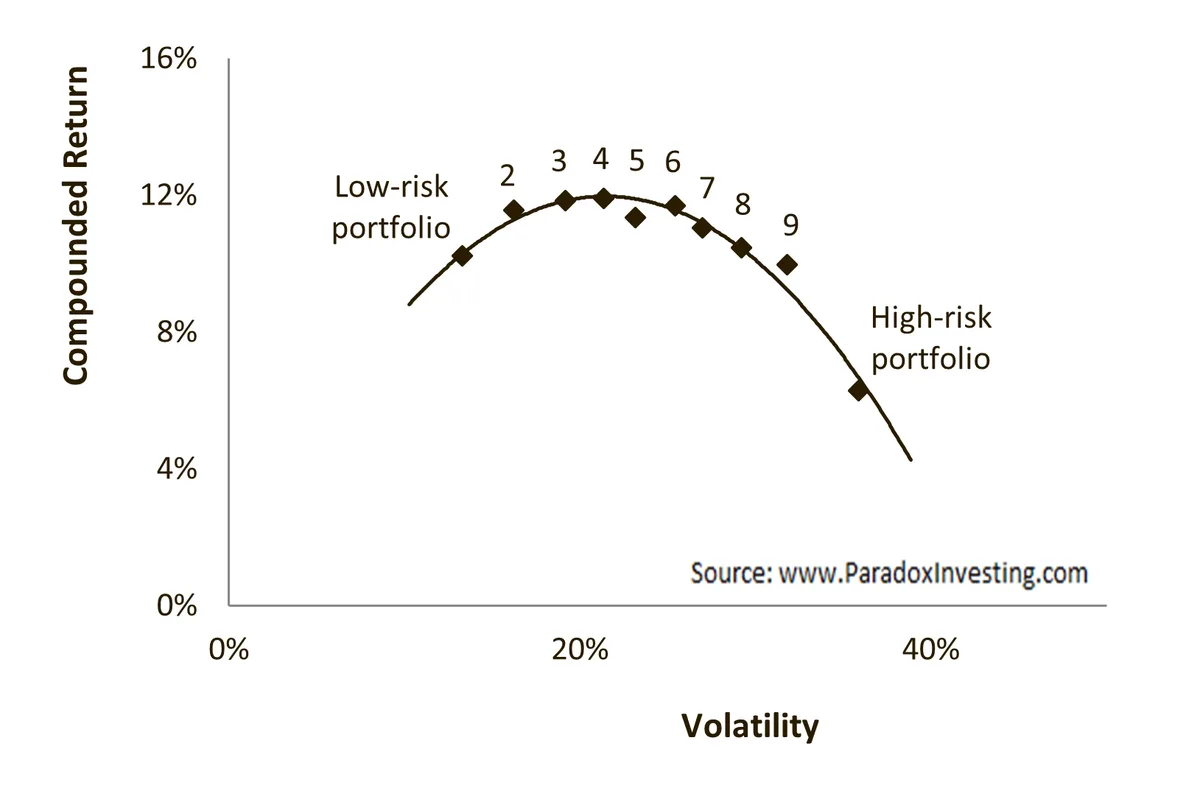
Rebalancing is risk control first: Vanguard’s 1926 through 2014 test puts the untended 50/50 portfolio at 13.2 percent volatility against 9.9 percent for the rebalanced twin, with trade costs, not schedules, deciding the rest.

The SPIVA scorecards and ICI fee data agree on the long-run record: most active funds trail, and costs explain much of why. The exceptions are narrow.

The regional lender reports Thursday after the close, and its record against estimates — not its growth rate — is the number to watch.

Contracts, leverage, and why the honest answer for most retail traders is watch first, trade later.
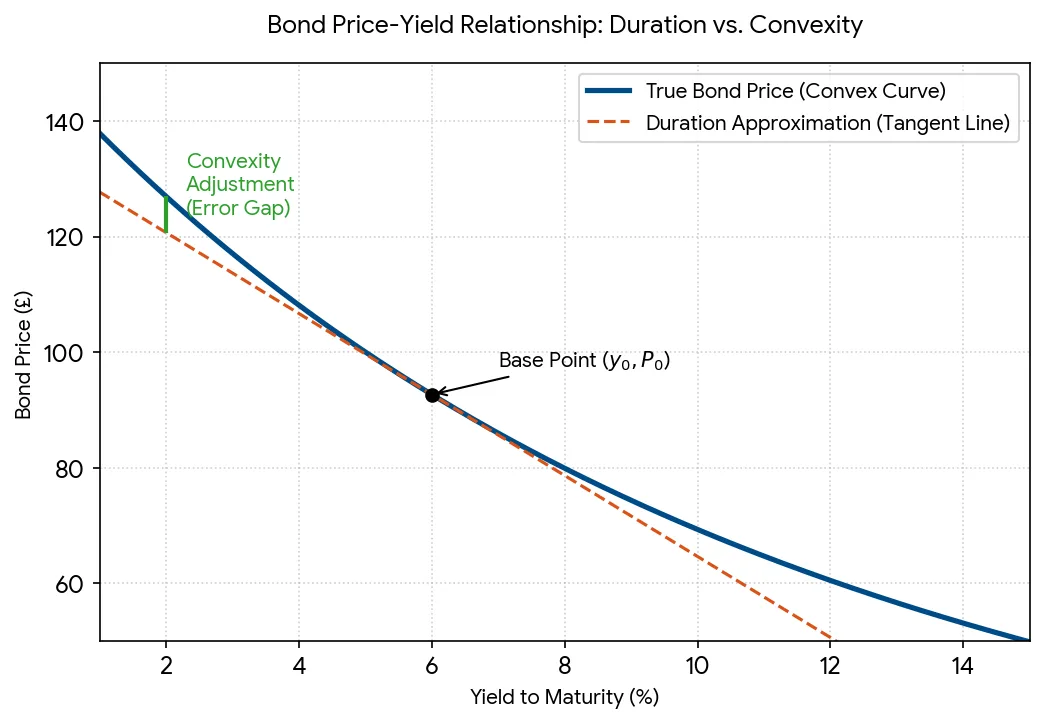
Duration is the number that tells you how hard rising rates will hit a bond portfolio — and most holders never check it.

The tape moves every second. A decade-long plan barely notices — and knowing which one you are trading is the whole game.

Three cases, one discipline: the method that forces an investor to price the outcome they expect and the two they don't.