
Topic
Food Processing Industry Trends to Watch: Automation, Supply Chains and Demand
Three forces are reshaping how food gets made and moved — and each one shows up in the commodity data before it shows up in the headlines.
Three forces are reshaping how food gets made and moved — and each one shows up in the commodity data before it shows up in the headlines.

What actually moves energy prices, and why the physical facts behind the fuel matter more than the headlines.

Fee pressure, private capital and automation are changing how deals get made — and how banks get paid.
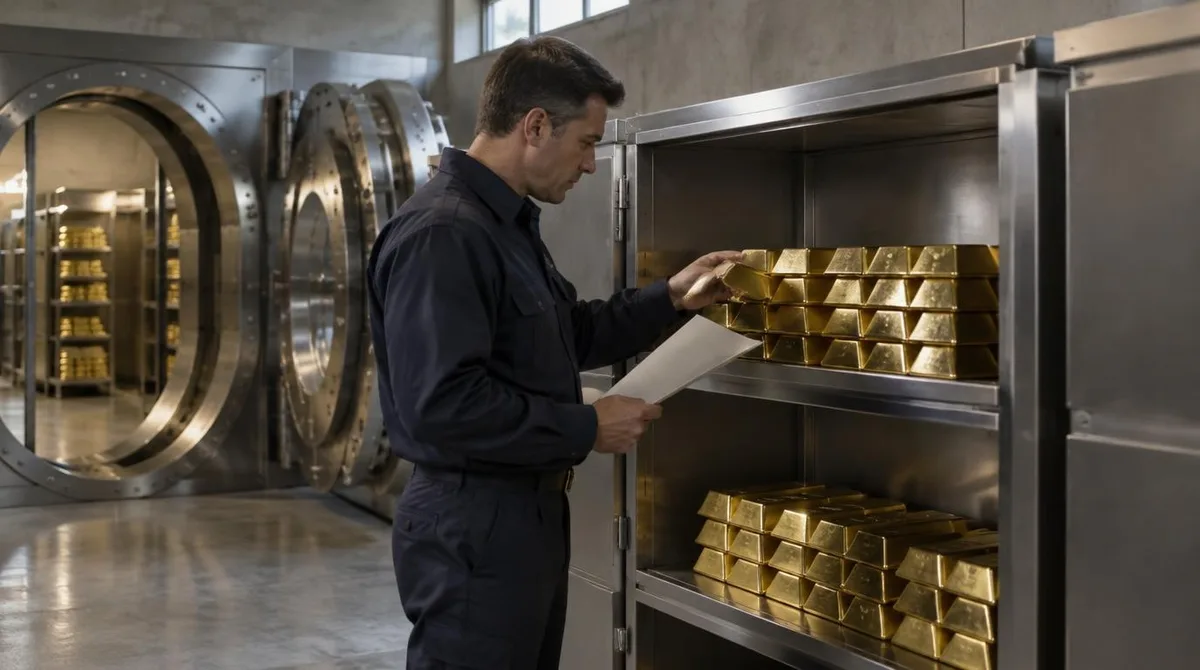
Two commodity wrappers hold different things: SPDR Gold Shares owns bullion bars, while United States Oil Fund owns futures contracts. The prospectus objective lines explain the tracking arithmetic.

Central bank decisions do not touch your accounts directly. They move a chain of reference rates, and each link in that chain behaves differently.

The headline numbers are written for you. The five lines below them are written about you — and they reward a skimmer who knows where to look.

The SPIVA scorecards and ICI fee data agree on the long-run record: most active funds trail, and costs explain much of why. The exceptions are narrow.

The decision is the easy part. The wording around it is what moves money.

Hard, soft, and everything in between: how raw materials get standardized, traded, and priced before they reach your receipt.

Headlines blame traders. The plumbing — market makers, algorithms and order flow — does most of the moving.